Every fall we get the same call from Riverside and San Bernardino County homeowners: “My old furnace finally quit. Should I just replace it with the same thing, or should I go with a heat pump?” It’s a fair question — and the answer looks a lot different in the Inland Empire than it does in Colorado or Minnesota.
Our mild winters, expensive summer AC bills, and generous California electrification rebates change the math in favor of heat pumps for a lot of homes. But not every home. Here’s how we walk clients through the decision.
The Short Answer for Most Inland Empire Homes
If your existing AC is more than 10 years old and your furnace is failing, a modern variable-speed heat pump usually wins in the Inland Empire. You replace both the AC and the furnace with a single system that heats and cools, you qualify for meaningful state and federal incentives, and your winter heating bills drop by 40–60% versus a gas furnace running on today’s natural gas rates.
If your AC is newer (5 years or less) and only the furnace is dying, a standard gas furnace installation is usually the smarter call — you preserve a good AC and skip the higher up-front cost of a full system swap.
How a Heat Pump Works (In One Paragraph)
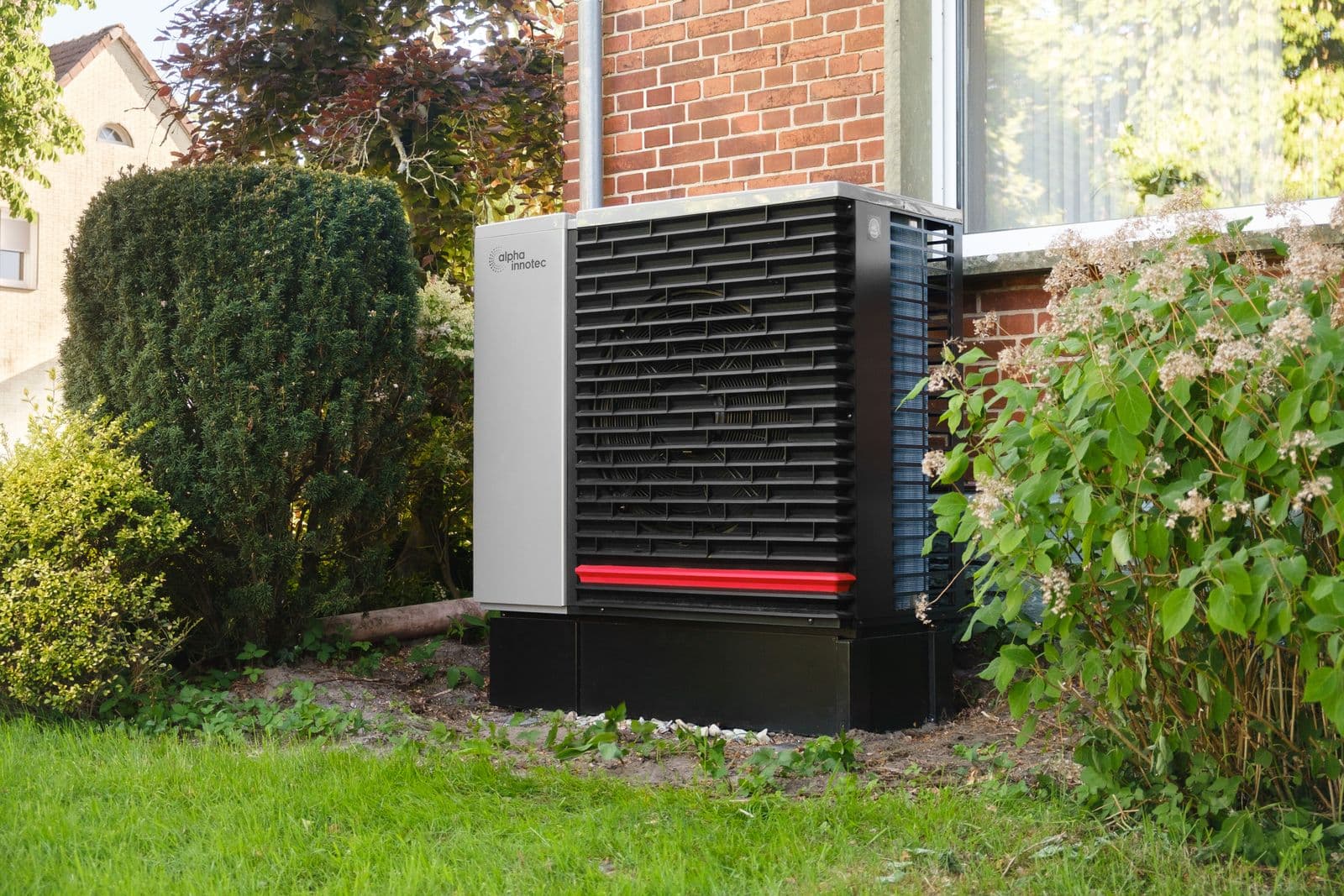
A heat pump is just an AC that runs in both directions. In summer, it moves heat out of your home like a normal air conditioner. In winter, it reverses and moves heat in — pulling warmth out of the outside air even when it’s 40°F. Because it’s moving heat rather than burning fuel to create it, a modern heat pump delivers 2.5 to 4 units of heat energy for every 1 unit of electricity it uses. That’s where the savings come from.
The 5 Factors That Decide It
1. Your climate — and this is where the Inland Empire wins
Heat pumps lose efficiency in extreme cold. That’s not an issue here. Riverside, Corona, Moreno Valley, and San Bernardino almost never see sustained temperatures below 40°F, and modern cold-climate heat pumps hold rated capacity down to 20°F. In our climate a heat pump runs in its efficiency sweet spot nearly every day of the year.
2. Your current electric vs. gas rates
Southern California Edison rates are high, but natural gas from SoCalGas has climbed sharply too. When we run side-by-side operating cost models for our clients using average Inland Empire loads, heat pumps come out ahead on annual energy cost in about 8 of 10 homes we look at. Households on solar look even better — a heat pump lets you use your own generation for heat.
3. Rebates and tax credits are massive right now
The federal Inflation Reduction Act incentives stack up to $2,000 in federal tax credits for a qualifying heat pump, plus state and utility rebates through TECH Clean California that can add another $1,000–$3,000 depending on your ZIP code and income. We’ve seen combined incentives cover 25–40% of full system cost. Those numbers change often — always confirm current program status before you commit.
4. Ducting and electrical panel condition
A heat pump moves more air at lower temperatures than a furnace does. Undersized or leaky ducts kill heat pump comfort fast. If your ducts are original to a 1980s or older home, we test airflow before we quote — and sometimes recommend duct cleaning and sealing as part of the project. Your electrical panel also has to have capacity for a heat pump’s dedicated 240V circuit; most Inland Empire panels do, but older 100-amp services sometimes need an upgrade.
5. How long you plan to stay in the home
Heat pumps typically last 15–20 years with proper annual maintenance. Payback on the price premium over a straight gas-furnace-plus-AC swap is usually 6–9 years in our area once you factor in rebates. If you’re planning to move in 3 years, that math changes.
When a Gas Furnace Is Still the Right Answer
- You have a newer AC that’s working fine and only the furnace needs replacing.
- Your home has no existing 240V circuit near the air handler and panel upgrade is cost-prohibitive.
- You’re on a very tight budget and up-front cost matters more than lifetime cost.
- You have unusual heating loads (a very large or poorly-insulated home) that would need an oversized heat pump.
In those cases we install a modern 96%+ AFUE two-stage gas furnace and keep the existing AC in service.
What About Existing Heat Pump Systems?
If you already have a heat pump and it’s giving you trouble, you don’t always need a full replacement. A big share of our heat pump repair calls turn out to be reversing valves, defrost boards, or refrigerant charge issues — not full system failures. Get a real diagnostic before you replace.
Our Take After Installing Both
We install both systems every week. For the average Inland Empire home in 2025 or 2026 replacing a full HVAC system at end-of-life, a variable-speed heat pump is the better long-term investment. The comfort — quieter operation, gentler airflow, dehumidification — is noticeably better too. But we’ll never push a system that isn’t right for your home, panel, or budget. That’s what the free in-home consultation is for.
Call (800) 697-4014 or request a free in-home quote. We’ll model both a heat pump and a gas furnace side-by-side with your actual rate plan, home square footage, and current duct condition — no pressure.