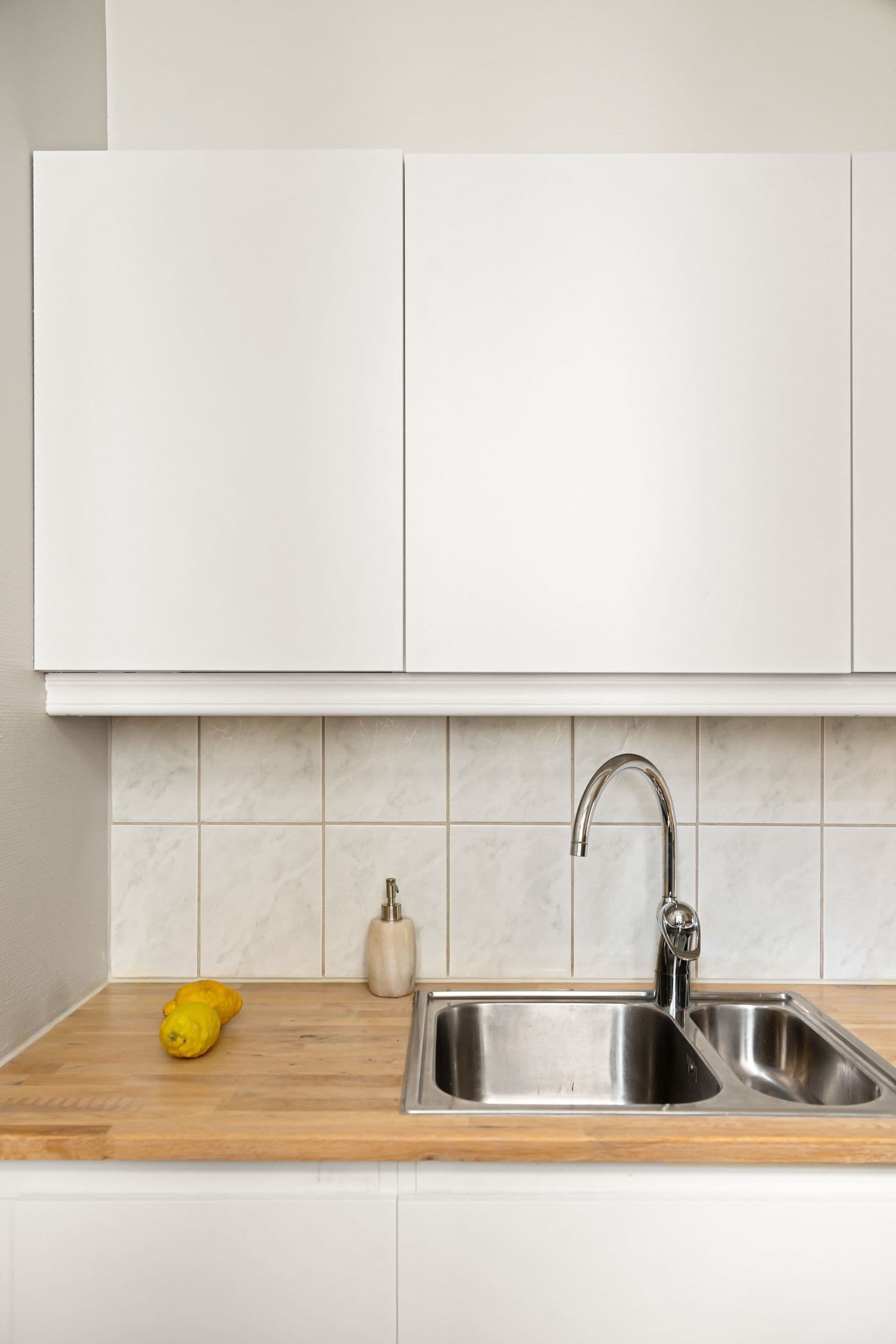
The day after Thanksgiving is one of the single busiest days of the year for plumbers in the Inland Empire. It has been for decades. The reason is simple: kitchen drains take more abuse in the last week of November than they do in the entire rest of the year, and the weakest link finally gives way.
Here’s how to keep your kitchen drain flowing through Thanksgiving, Christmas, and New Year’s — and what to do if you’re already staring at a sink full of water.
Why Kitchen Drains Fail During the Holidays
Three things stack up in the last week of November: (1) volume — you’re prepping food for 12 instead of 2, (2) food waste your drain wasn’t designed for — turkey fat, potato peels, fibrous vegetables, and (3) guests who don’t know your house rules. The drain doesn’t suddenly break. It has been narrowing slowly for months, and holiday volume finally pushes it past the point of no return.
The 7 Things That Cause 90% of Holiday Drain Clogs
1. Turkey and gravy fat
Warm fat is a liquid. Two minutes down the drain it’s a solid, and it grabs everything that comes after it. Pour turkey drippings, bacon grease, gravy leftovers, and pan fat into a can or jar and throw it in the trash — never down the sink, even with hot water and dish soap chasing it.
2. Potato peels
Starch from potato peels turns into a gluey paste inside the trap. Even a garbage disposal will grind them fine enough to travel — then they set up in the P-trap or the line to the main. Peel over the trash can, not the sink.
3. Rice, pasta, and stuffing
These absorb water and expand for hours after they’re down the drain. A cup of rice can turn into a fist-sized blockage overnight.
4. Celery, asparagus, artichoke, and other stringy vegetables
Fibers wrap around disposal blades and don’t break down in the drain line. If it’s stringy, it goes in the compost or trash.
5. Coffee grounds
Grounds settle in the bottom of the P-trap like sand and form a base for grease to grip. They’re a top-5 clog cause year-round, not just at the holidays.
6. Eggshells
The membrane wraps around disposal parts, and the shell fragments act like grit that scratches and packs into the trap.
7. Bones, pits, and shellfish shells
Never in the disposal — they damage the blades and can crack the housing. Straight to the trash.
Best Practices for the Week Before the Big Meal
- Run cold water for 30 seconds before, during, and after using the disposal. Cold water keeps fats solid so they get chopped and flushed instead of coating the line.
- Run the disposal in short bursts with a heavy stream of water — don’t overload it.
- Once a week during heavy cooking season, run half a cup of baking soda followed by half a cup of white vinegar down the drain, wait 15 minutes, and flush with hot water. It’s not magic — but it does help emulsify light grease buildup before it accumulates.
- Skip the chemical drain openers. They damage older pipes and rarely solve the root cause. The EPA Safer Choice program is a good reference for less-toxic alternatives if you insist on a product solution.
What to Do If the Drain Is Already Clogged
- Stop running water. Filling the sink adds pressure but rarely clears anything.
- If you have a double basin, plug the second side with a wet rag.
- Try a proper flat-cup sink plunger (not a toilet plunger) with 3–4 inches of water in the sink. Steady, firm pulls for 30 seconds.
- Check the trap under the sink. Put a bucket under it and unscrew the two slip nuts. Nine times out of ten the clog is right there.
- If it’s past the trap, stop. That’s a job for a real drain machine, not a wire hanger.
When to Call a Professional
Any of the following mean it’s time to call a licensed plumber:
- Multiple fixtures backing up (kitchen sink and dishwasher, or sink and disposal both slow).
- Water backing up into a laundry standpipe or tub — that’s a mainline issue, not a sink clog.
- A gurgling sound from other drains when the kitchen sink runs.
- Sewer smell coming back through the drain.
For a serious clog, we run a professional cable machine or use hydro-jetting — high-pressure water that scours grease and buildup off the interior pipe walls. For a mainline problem, we scope it first with a sewer camera so we know what we’re dealing with before we spend your money.
The Long-Term Fix: Get Ahead of It
Homes that had a full drain cleaning service in the last 12 months almost never call us on Thanksgiving. If your drains have been slowing all year, or you’ve had one clog already this fall, get it cleared professionally now — not the night before your in-laws arrive.
Same-day drain service in Riverside, Corona, Moreno Valley, San Bernardino, Redlands, Temecula, and every city in between. Call (800) 697-4014 or book online. Ask about our upfront flat-rate pricing so there are no holiday surprises.