The new year always brings a bump in plumbing upgrade quotes — some tax refund, some new year’s resolution, some post-holiday realization that the house is aging faster than expected. In 2026 there’s something else driving the wave: California’s continued push on water conservation, electrification incentives, and a wave of proactive homeowners tired of surprise leaks.
Here are the five plumbing upgrades we’re installing most often across Riverside County right now, why homeowners are choosing them, and what they realistically cost.
1. Smart Leak Detection and Automatic Shutoff
The single biggest ROI plumbing upgrade of the last three years, and it’s not close. A whole-home smart water monitor sits on the main line, learns your normal usage patterns, and shuts the water off automatically when it detects anything abnormal — a burst hose, a slab leak, a toilet stuck running while you’re out of town. We install a lot of them. The Moen Flo is the model we recommend most.
Insurance carriers are getting aggressive about water damage claims. Several major California insurers now offer premium discounts for verified smart leak detection installations, and a few are starting to require them on higher-value homes. If you have a big claim history in your ZIP code or you carry a Riverside County wildfire-exposed policy, ask your agent — the discount often covers the install cost inside two years.
2. Tankless Water Heater Conversions
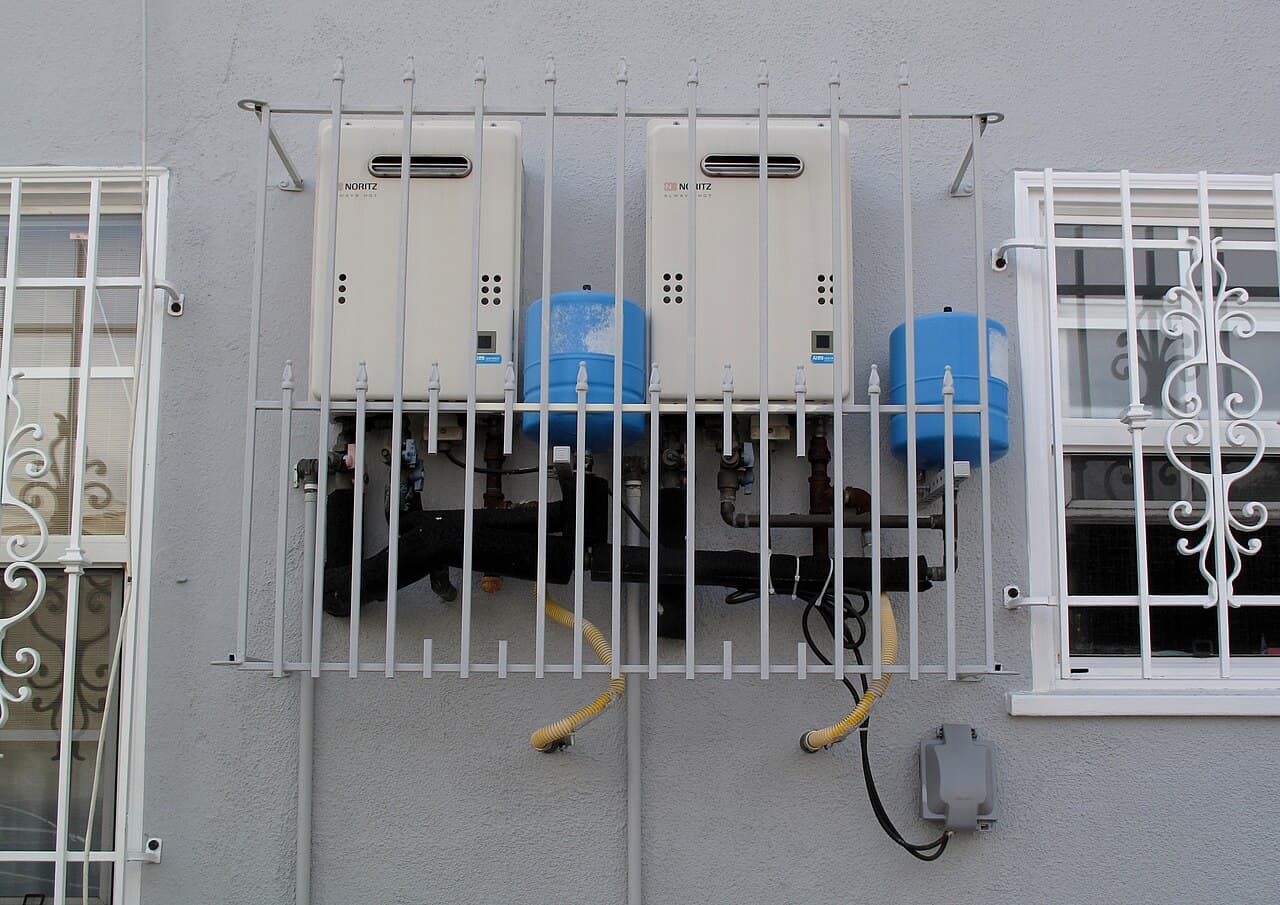
Every time a traditional tank fails, we get the same question: “Should I switch to tankless?” In 2026 the answer is more often yes. SoCalGas continues to offer rebates on qualifying condensing tankless installs, and modern units easily handle whole-home demand in a 3–4 bedroom home. Endless hot water, ~20 years of service life, and a 20% cut in gas usage make a strong case. We break down the full comparison in our tankless vs traditional water heaters guide.
The install is not a straight swap — it needs its own gas line size verification, a dedicated 120V outlet, and stainless steel venting. That’s why the quote from a licensed tankless installer matters more than the sticker price of the unit itself.
3. Whole-House Water Filtration
Riverside County water is hard, and depending on your ZIP code it also carries higher-than-average levels of chlorine, chloramines, and TDS. Whole-house filtration + a softener/conditioner protects your water heater, extends fixture life, and gives you noticeably better water at every tap. You can look up your local water quality anytime through the state’s Division of Drinking Water reports.
For the highest-end drinking water we pair whole-house treatment with a reverse osmosis system at the kitchen sink. It’s the single most-requested combo package we quote right now.
4. Copper or PEX Repipes on Older Homes
A huge share of Inland Empire homes built between 1978 and 1995 were plumbed with polybutylene or first-generation galvanized fittings that are simply failing at scale. If your home is in that era and you’ve had two or more pinhole leaks in the last five years, you’re on the clock. A proactive whole-house repipe avoids the guaranteed-eventually catastrophic failure and lets you take advantage of modern PEX runs that are quieter, faster to install, and easier to service.
Repipes are also a great time to plan for future upgrades — soft water loops, pressure regulator replacement, and shutoffs at every fixture.
5. Pressure Regulator (PRV) Replacements
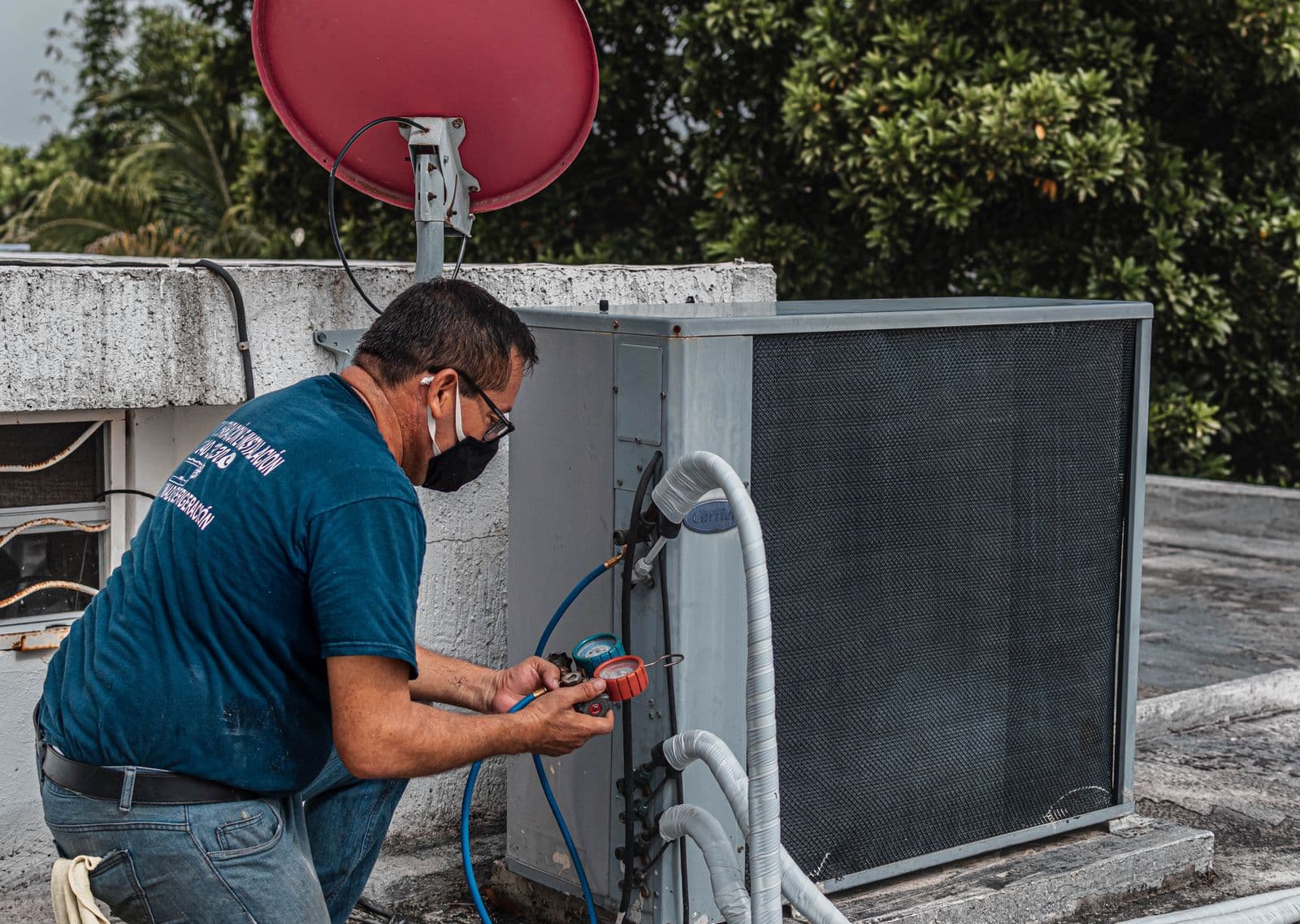
Water pressure in parts of Riverside, Moreno Valley, and Corona routinely runs above 90 PSI at the meter. That’s hard on every fixture, appliance, and hose bib in your home. The pressure regulator on your main line is designed to knock incoming pressure down to a safe 55–75 PSI. When the PRV fails (they last about 10–15 years), pressure creeps back up and you start blowing supply lines, splitting toilet fill valves, and cracking water heater tank fittings.
A quick pressure check with a $12 gauge from the hardware store tells the story. If you’re over 80 PSI, your pressure regulator needs replacement. It’s a two-hour job that protects tens of thousands of dollars of plumbing and appliances downstream.
Bonus: Sewer Camera Inspection Before Buying
We’re also seeing more real estate transactions include a sewer camera inspection as a standard due-diligence item. A collapsed clay sewer line can be a $15,000 problem — worth 45 minutes to verify before you close on the house.
How to Prioritize If You’re Doing Just One
- Leak detection first if you travel, own multiple properties, or have kids leaving toilets running.
- Pressure regulator first if you’ve had unexplained fixture failures or your water hammer is loud.
- Repipe first if you’ve had multiple pinhole leaks and your home is 25+ years old.
- Water heater conversion first if your tank is 10+ years old and getting louder or slower to recover.
- Filtration first if you’re replacing water heaters or fixtures more often than seems reasonable — hard water is the culprit.
Not sure which upgrade is right for your home? Call (800) 697-4014 or request a free in-home consultation. Our licensed plumbers walk your home, run a pressure test, and put together a prioritized 1-year and 5-year plan — no obligation.